Summary of Effects of vegetal- versus animal-derived protein hydrolysate on sweet basil morpho-physiological and metabolic traits
Understanding the Biostimulant Response of Sweet Basil
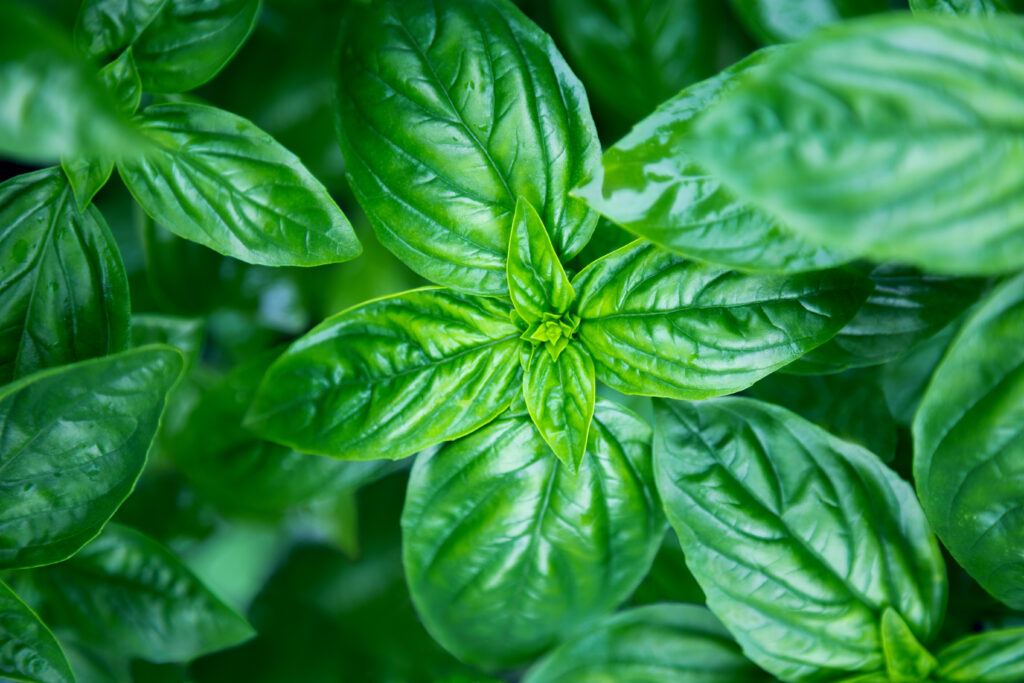
The Biostimulant Response of Sweet Basil represents a key research topic in sustainable horticulture, especially as protein hydrolysates gain popularity as plant growth enhancers. Although previous studies confirm their biostimulant potential, researchers still lack a clear understanding of how different sources and application rates affect plant physiology and metabolism. Therefore, this study investigated how sweet basil (Ocimum basilicum L.) responds to vegetal- and animal-derived protein hydrolysates under controlled greenhouse conditions.
Effects of Protein Hydrolysates on Basil Growth
To clarify these effects, researchers applied vegetal-derived (V-PH) and animal-derived protein hydrolysates (A-PH) at three nitrogen-equivalent rates (0.05, 0.15, and 0.25 g N/kg). Both treatments influenced leaf number, leaf area, and shoot biomass in a quadratic manner. However, V-PH consistently produced better growth results, particularly at low and medium doses. As a result, basil plants treated with V-PH developed larger canopies and greater fresh and dry biomass.
Physiological and Nutrient Responses
Moreover, foliar application of V-PH at 0.15 g N/kg enhanced CO₂ assimilation and water use efficiency. Consequently, plants showed improved physiological performance and stronger growth. At the same time, V-PH increased the uptake and translocation of potassium, magnesium, and sulfur in leaf tissues. These nutrients supported photosynthesis and metabolic activity, thereby reinforcing overall plant productivity.
Stress Responses at High Application Rates
In contrast, higher doses of A-PH triggered negative effects. Excess sodium and chloride accumulated in leaf tissues, while stress-related amino acids such as proline increased sharply. As a consequence, photosynthetic efficiency declined and biomass production slowed. To cope with this stress, basil plants activated alternative metabolic pathways, including alanine and GABA synthesis, which helped buffer ammonia toxicity and cytoplasmic acidosis. Nevertheless, these protective mechanisms could not fully prevent growth reduction.
Implications for Sustainable Crop Management
Overall, the results highlight that protein hydrolysates can significantly influence the Biostimulant Response of Sweet Basil, but only when applied at appropriate doses. Vegetal-derived formulations proved more effective and safer than animal-derived ones, especially at moderate application rates. Therefore, understanding dose-dependent responses remains essential for optimizing biostimulant use, improving crop performance, and supporting sustainable agricultural practices.
Publication: Scientia Horticulturae