
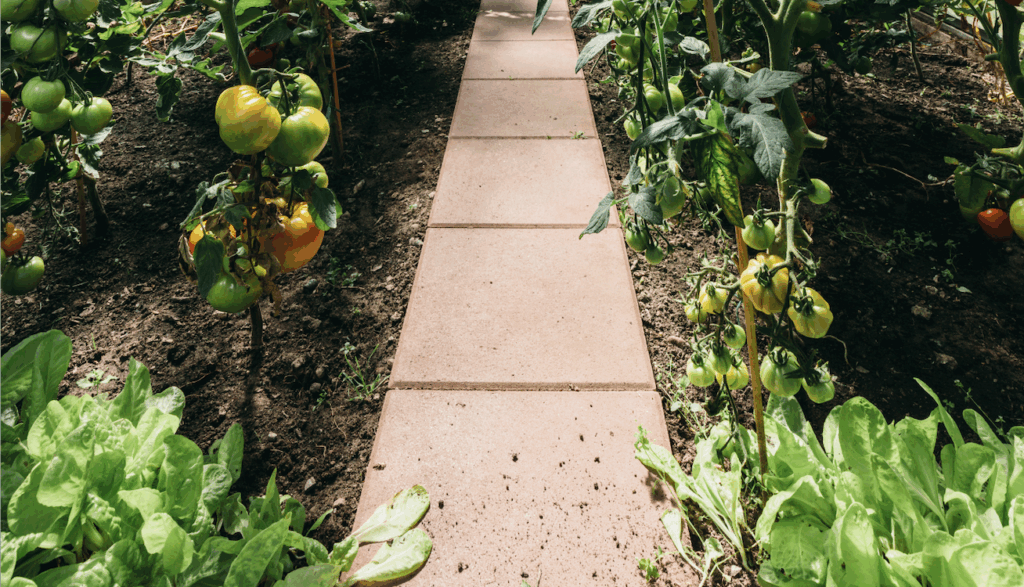
Summary of Effects of Plant-Derived Protein Hydrolysates on Yield, Quality, and Nitrogen Use Efficiency of Greenhouse Grown Lettuce and Tomato
Biostimulant Greenhouse Lettuce and Tomato: A Sustainable Yield Strategy
Plant-derived protein hydrolysates are attracting increasing attention as sustainable biostimulants in greenhouse crop production. In particular, their ability to improve plant performance under varying nitrogen conditions makes them valuable tools for modern horticulture. This study explores the long-term effects of protein hydrolysates on yield, quality, and nutrient efficiency in lettuce and tomato grown under greenhouse conditions, contributing to optimized Biostimulant Greenhouse Lettuce and Tomato management strategies.
Root-Applied Biostimulant Solutions for Greenhouse Lettuce and Tomato
Researchers cultivated romaine lettuce (Lactuca sativa L.) and Micro-Tom tomato (Solanum lycopersicum L.) in commercial substrates and applied four nitrogen levels ranging from low to high availability. In addition, plants received a weekly application of a plant-derived protein hydrolysate, either through foliar spraying or root drenching. Notably, root application consistently delivered superior results compared with foliar treatments across all nitrogen levels and both species.
Yield, Physiology, and Quality Improvements
As nitrogen availability increased, total plant dry weight also rose in both crops. However, the root-applied protein hydrolysate further enhanced biomass accumulation. Lettuce showed a 31% increase in shoot dry weight, while tomato fruit dry weight increased by 22%. Moreover, marketable fresh yield improved substantially, reaching gains of 21% in lettuce and 32% in tomato. At the same time, plants treated via the root system demonstrated higher photosynthetic activity, improved water-use efficiency, and increased chlorophyll content.
Nutrient Efficiency and Antioxidant Response
Although higher nitrogen levels tended to reduce antioxidant compounds in lettuce leaves, the biostimulant application mitigated this decline. In contrast, tomato fruits maintained stable antioxidant levels, which further improved with root treatments. Importantly, the Biostimulant Greenhouse Lettuce and Tomato approach significantly increased nitrogen uptake and nitrogen use efficiency, supporting both productivity and sustainability goals.
Implications for Sustainable Greenhouse Production
Overall, these findings confirm that root-applied protein hydrolysates enhance crop performance regardless of nitrogen level. Therefore, integrating a Biostimulant Greenhouse Lettuce and Tomato strategy can help growers achieve higher yields, improved quality, and more efficient nutrient use while reducing environmental impact.
Publication: Agronomy