
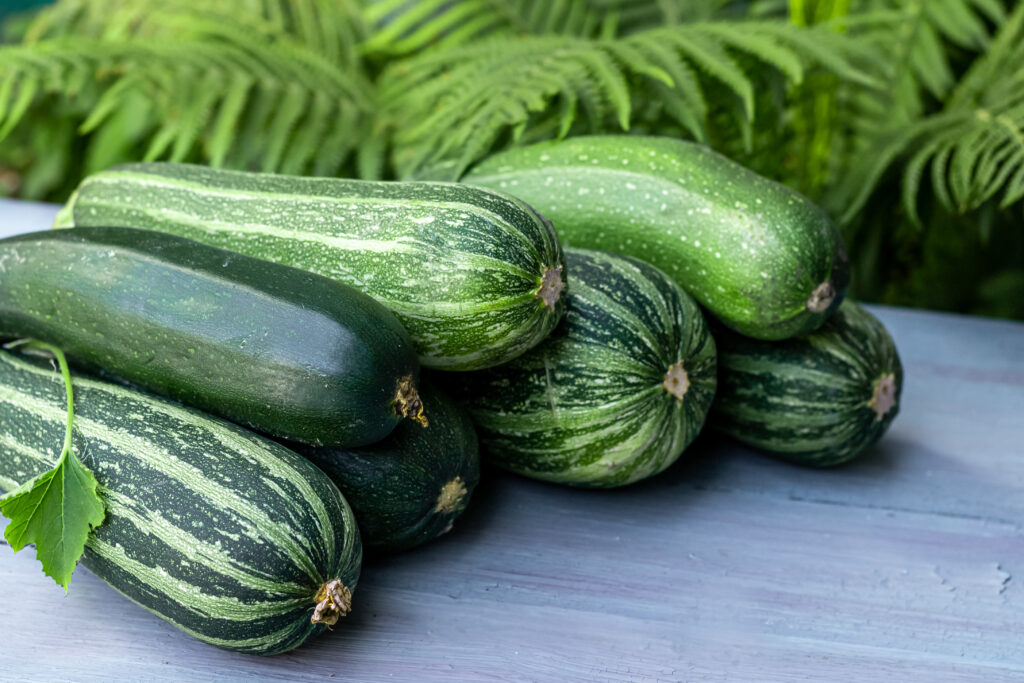
Summary of Alleviation of salt stress by arbuscular mycorrhizal in zucchini plants grown at low and high phosphorus concentration
Alleviation of Salt Stress in Zucchini Using Arbuscular Mycorrhizal Inoculation
The alleviation of salt stress in zucchini (Cucurbita pepo L.) was studied in a greenhouse experiment. Researchers tested whether arbuscular mycorrhizal (AM) inoculation could improve plant performance under saline conditions and how phosphorus (P) concentration affects plant responses.
Effects of Salinity and Phosphorus on Growth
Zucchini plants grew in sand culture with two salinity levels (1 and 35 mM NaCl, 1.8 and 5.0 dS m−1) and two phosphorus concentrations (0.3 and 1 mM P). Salinity reduced yield and shoot biomass. However, plants at 0.3 mM P showed smaller reductions, indicating some alleviation of salt stress.
Benefits of Arbuscular Mycorrhizal Inoculation
AM (+AM) plants performed better than non-inoculated (−AM) plants under saline conditions. They had higher yield, shoot biomass, leaf chlorophyll content, and relative water content. In addition, +AM plants accumulated more potassium (K) and less sodium (Na) in leaves. These changes contributed to salt stress relief and better overall plant health.
Nutrient Balance and Salt Tolerance
Phosphorus levels in leaves were similar between +AM and −AM plants, suggesting that AM benefits did not rely solely on P uptake. Instead, mycorrhizal plants improved water retention and maintained better ion balance. Consequently, they tolerated salinity more effectively.
Conclusion
AM inoculation supports zucchini growth in saline conditions by enhancing water status, nutrient balance, and physiological performance. Overall, this strategy promotes the alleviation of salt stress and may improve crop resilience in saline environments.
Publication: Biology and Fertility of Soils