
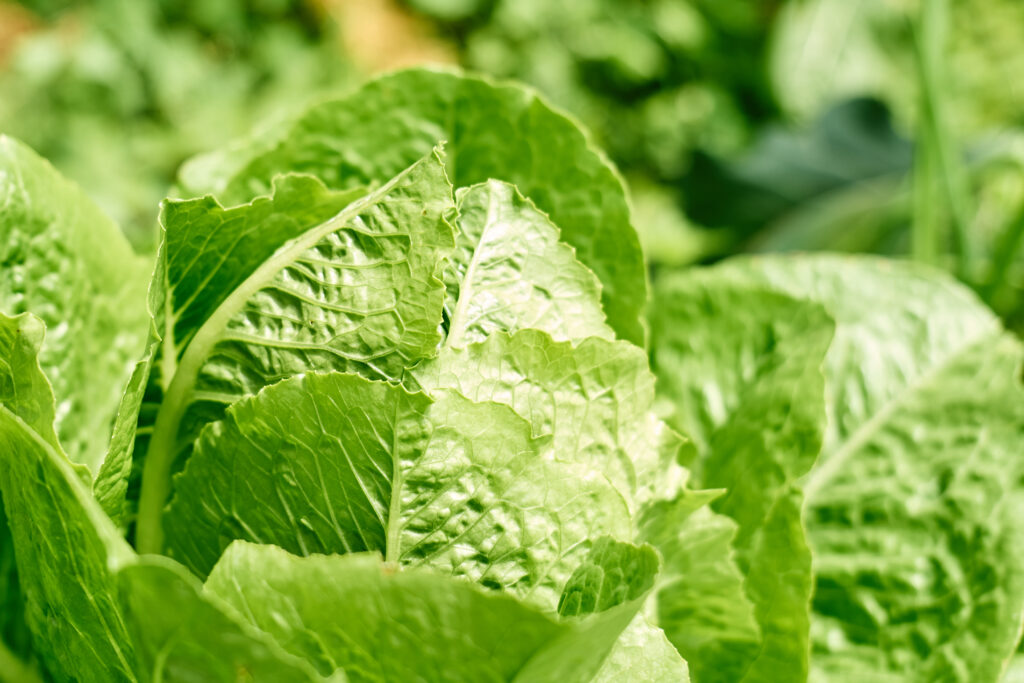
Summary of Foliar and Root Applications of Vegetal-Derived Protein Hydrolysates Differentially Enhance the Yield and Qualitative Attributes of Two Lettuce Cultivars Grown in Floating System
Biostimulant Solutions for Lettuce Production: Improving Yield and Nutritional Quality
Biostimulant Solutions for Lettuce Production play a key role in developing sustainable and high-performance greenhouse systems. Lettuce (Lactuca sativa L.) is widely cultivated thanks to its fast growth cycle and year-round production. Moreover, its nutritional profile can be further improved through eco-sustainable biostimulant strategies. For a broader view of sustainable inputs, see our page on [plant biostimulants in horticulture].
Sustainable Biostimulant Approaches in Lettuce Cultivation
Plant biostimulants, especially vegetal protein hydrolysates, are increasingly used to support crop productivity while reducing environmental impact. In this context, Biostimulant Solutions for Lettuce Production were evaluated using two lettuce cultivars with different pigmentation. The plants were grown in a floating raft system under greenhouse conditions. Similar cultivation systems are described in our guide to [soilless lettuce production].
Application Methods and Experimental Setup
Biostimulants were applied either to the leaves, to the nutrient solution, or through a combination of both methods. Foliar treatments were applied at a fixed concentration, while root applications were delivered at two different doses. As a result, several application strategies were compared to identify the most effective approach.
Cultivar-Dependent Effects of Biostimulant Solutions for Lettuce Production
The results clearly showed cultivar-specific responses. On the one hand, the green-pigmented cultivar responded better to nutrient solution treatments, with yield increases exceeding 80%. On the other hand, the red-pigmented cultivar benefited most from combined root and foliar applications. Consequently, yield and quality improvements depended strongly on genotype. For related findings, consult our article on [genotype-specific crop responses].
Physiological and Nutritional Improvements
In addition, combined treatments significantly enhanced physiological parameters. These included chlorophyll content, photosynthetic efficiency, and gas exchange. Furthermore, antioxidant activity, total phenols, and ascorbic acid content increased markedly, especially in the red cultivar. Therefore, Biostimulant Solutions for Lettuce Production proved effective not only for yield, but also for nutritional quality.
Conclusions and Future Perspectives
Overall, this study confirms that well-designed biostimulant strategies can improve lettuce performance in soilless systems. However, application mode and dosage must be adapted to each cultivar. Root applications were generally more effective than foliar treatments alone. Meanwhile, combined applications delivered the highest quality improvements in specific genotypes. Future research should therefore focus on optimizing Biostimulant Solutions for Lettuce Production to support precision and sustainability in commercial lettuce farming.
Publication: Agronomy