
Summary of Foliarly applied biochelates as an eco-friendly strategy for biofortification with iron and zinc of hydroponically grown lettuce
Biostimulants for Biofortification: A Sustainable Approach to Enhance Crop Nutrition
Modern agriculture is increasingly exploring Biostimulants for Biofortification as a sustainable strategy to improve the nutritional value of crops while reducing the environmental impact of traditional fertilization methods. Although agronomic biofortification is already used to increase essential micronutrients such as iron (Fe) and zinc (Zn), the use of synthetic chelates raises concerns regarding sustainability and long-term environmental effects. Therefore, innovative peptide-based solutions are being investigated as safer and more eco-friendly alternatives.
Sustainable Biostimulants for Biofortification in Hydroponic Lettuce
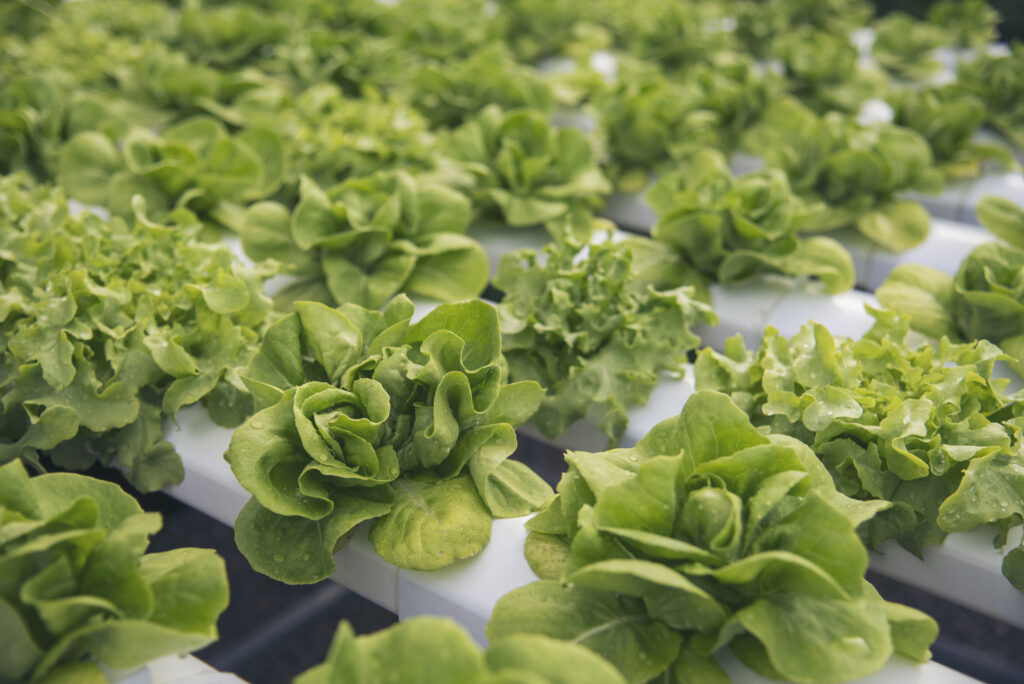
This study evaluated the effects of peptide-based biochelates containing iron and zinc on two lettuce cultivars, Aquino and Barlack, grown under hydroponic conditions. The objective was to determine whether these natural compounds could improve plant nutrition and support sustainable crop production.
The results showed that foliar applications of peptide-based fertilizers successfully enhanced micronutrient accumulation in lettuce leaves. In particular, iron-peptide treatments increased leaf iron concentration by up to 690%, while zinc-peptide applications improved zinc concentration by 222% compared with untreated plants. Consequently, these treatments demonstrated strong potential for improving the nutritional quality of lettuce without relying on conventional synthetic chelates.
Effects of Peptide-Based Fertilizers on Plant Growth and Metabolism
Beyond mineral enrichment, the treatments influenced plant metabolism in a cultivar-dependent way. The Aquino cultivar showed improved shoot and root development, together with higher vitamin C, amino acid, and soluble carbohydrate levels. These changes suggest an enhanced regulation of nitrogen and carbon metabolism.
Meanwhile, the Barlack cultivar developed stronger antioxidant responses, including increased flavonoid and anthocyanin content. This highlights the importance of selecting suitable plant varieties when applying targeted nutritional strategies.
A Promising Future for Sustainable Crop Enhancement
Overall, Biostimulants for Biofortification represent a promising tool for producing nutrient-enriched crops while supporting environmentally responsible agriculture. The study demonstrates that tailored peptide-biochelates can improve iron and zinc accumulation in lettuce and provide cultivar-specific benefits. As a result, this approach could contribute to the development of more sustainable food systems and healthier crops.
Publication: Scientia Horticulturae